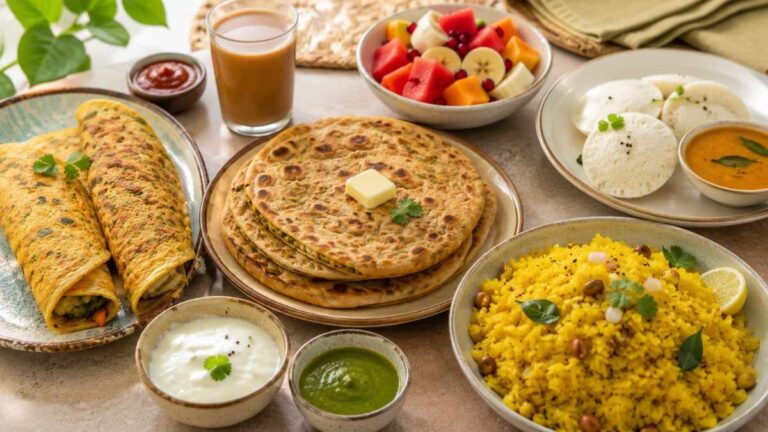
There’s something comforting about biting into a hot paneer paratha fresh off the tawa. The crispy golden layers, the soft spiced paneer filling, and a dollop of butter melting on top instantly make breakfast feel special. It’s one of those meals that never goes out of style. Whether you’re rushing to work, packing lunch, or enjoying a slow weekend morning, a paneer paratha is filling, satisfying, and packed with protein.
If you’re looking for an easy paneer paratha recipe, you’ve come to the right place. This guide walks you through everything you need to make soft, flavourful parathas at home while sharing a few tips to get them right every time.
Why is paneer paratha a great breakfast choice?

A satisfying breakfast should keep hunger away for hours without feeling too heavy. That’s exactly why paneer paratha remains a favourite in so many Indian homes. Paneer paratha checks all those boxes.
Paneer is naturally rich in protein and calcium, making it an excellent ingredient for a wholesome breakfast. Combined with whole wheat flour, fresh herbs, and mild spices, it becomes a balanced meal that’s both comforting and nutritious. If you’re looking for a protein-rich Indian breakfast, paneer paratha is one of the easiest and most satisfying options.
Ingredients to make paneer paratha

For the dough
- 2 cups whole wheat flour
- Water, as required
- 1 teaspoon oil
- Salt, to taste
For the filling
- 200 g grated paneer
- 2 tablespoons finely chopped coriander
- 1 green chilli, finely chopped (optional)
- ½ teaspoon roasted cumin powder
- ½ teaspoon red chilli powder
- ½ teaspoon garam masala
- ½ teaspoon amchur powder
- Salt to taste
For cooking
- Ghee or butter
How to make paneer paratha
Step 1: Prepare the dough
Mix flour, salt, and oil in a bowl. Add water gradually and knead into a soft, smooth dough. Cover it with a damp cloth and let it rest for about 20 minutes.
Step 2: Make the stuffing
Combine grated paneer with coriander, green chilli, cumin, red chilli powder, garam masala, amchur, and salt. Mix gently without pressing the paneer too much.
Step 3: Stuff the paratha
Divide the dough into equal balls. Roll one into a small circle, place the paneer filling in the centre, gather the edges, and seal well.
Step 4: Roll carefully
Dust lightly with flour and roll gently into a medium-sized paratha. Avoid pressing too hard to prevent the stuffing from coming out.
Step 5: Cook on the tawa
Heat a tawa over medium heat. Cook until light brown spots appear, then flip and repeat on the other side. Apply ghee or butter and continue cooking until golden and crisp. Then serve hot with curd, pickle, mint chutney, or butter.
Tips for soft and flavourful paneer paratha
These simple tips will help you make softer, tastier parathas every time.
- Freshly grated paneer works much better than frozen or very dry paneer because it stays soft even after cooking.
- Mix the salt into the paneer just before stuffing. If it sits for too long, the filling can become watery.
- Don’t skip the resting time. Even 20 minutes makes the dough softer and much easier to roll.
- Medium heat helps the paratha cook evenly without burning the outside before the filling is warmed through.
- A handful of freshly chopped coriander brightens the filling and adds a fresh homemade flavour.
Easy ways to make it healthier
If you want a lighter version without giving up flavour, try these simple swaps:
- Use low-fat paneer.
- Cook with less ghee or brush lightly instead of adding generously.
- Add grated vegetables like carrots or spinach to the stuffing.
- Serve with plain curd instead of butter.
These simple changes make paneer paratha lighter while still keeping it filling and protein-rich.
Variations worth trying

Once you’ve mastered the classic version, you can experiment with different fillings.
- Spinach and paneer for extra greens and a softer filling.
- Cheese and paneer if you enjoy a richer, creamier bite.
- Corn and paneer for a touch of sweetness and crunch.
- Mixed herbs with paneer to give the paratha a fresh aromatic flavour.
- Garlic and chilli paneer if you prefer a slightly spicier version.
Each variation brings a different flavour while keeping the comforting taste of classic paneer paratha intact.
What to serve with paneer paratha
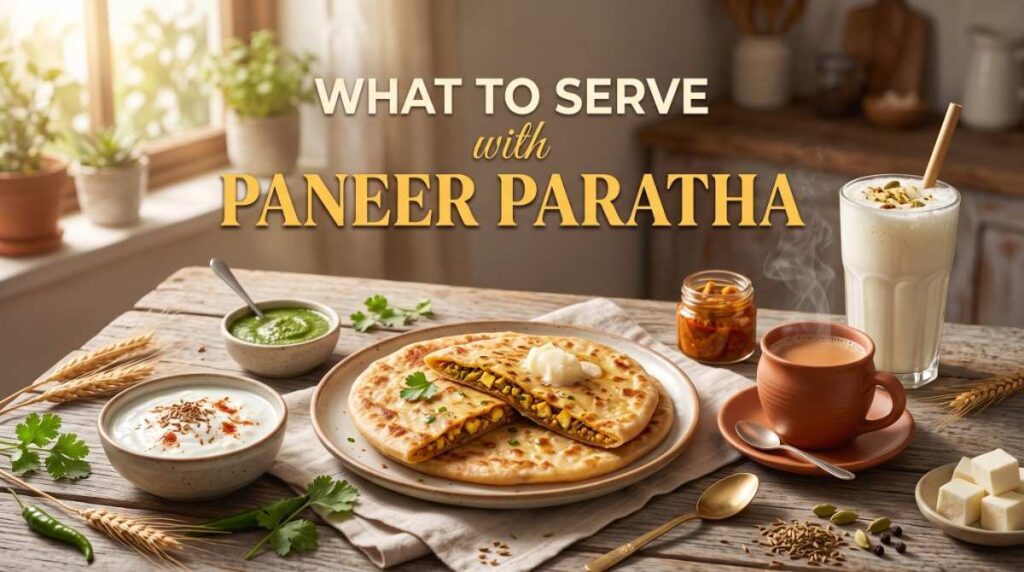
A hot paneer paratha tastes great on its own, but the right accompaniments make the meal even more enjoyable.
- Fresh curd
- Mint chutney
- Mango pickle
- Butter
- Masala chai
- Sweet lassi
Conclusion
Few breakfasts are as comforting as a freshly cooked paneer paratha. It’s easy to make, packed with protein, and versatile enough for breakfast, lunch, or even dinner. Whether you’re cooking for your family or preparing a quick weekday meal, this paneer paratha recipe delivers the perfect balance of taste and nutrition.
Give it a try, customise it with your favourite ingredients, and enjoy one of India’s most loved homemade breakfasts.
FAQs
Q: How to make paneer at home?
Boil milk and add lemon juice or vinegar. Once the milk curdles, strain it through a muslin cloth, rinse with water, and press it under a weight for 30 to 60 minutes until firm.
Q: Why is my paneer rubbery?
Paneer often turns rubbery if it’s overcooked or pressed for too long while making it. Fresh, soft paneer works best for stuffing parathas.
Q: Can I use store-bought paneer?
Yes. Grate it finely before using. If it feels firm, soak it in warm water for 10 to 15 minutes to soften it.
Q: What are some vegan paneer alternatives?
Firm tofu is the most common substitute. You can also use crumbled tofu seasoned with nutritional yeast and Indian spices for a similar flavour and texture.
Q: Can I make a low-fat version?
Absolutely. Use low-fat paneer, reduce the amount of ghee, and pair the paratha with low-fat curd for a lighter yet satisfying meal.
Q: Can I prepare paneer paratha dough in advance?
Yes. You can prepare the dough up to a day ahead and store it in the refrigerator in an airtight container. Let it come to room temperature before rolling the parathas.